Why Dry Red Kidney Beans Need a Real Boil: Lectins and Slow-Cooker Safety
SHUPA ORIGINAL RESEARCH · BEANS
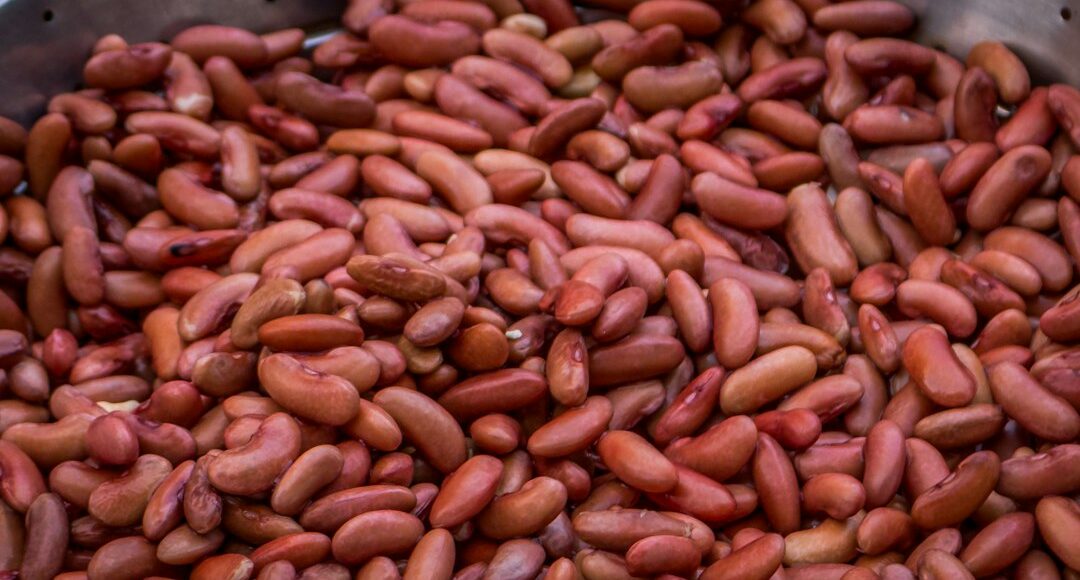
A bowl of dried red kidney beans can look ordinary, yet undercooked red kidney beans contain a natural lectin called phytohaemagglutinin. A slow cooker set to a low temperature is not an acceptable substitute for the vigorous boiling step recommended by food-safety authorities. This guide separates safe preparation from flavor or texture preferences.
What is the concern?
Health Canada explains that lectins occur in many legumes, but dried red kidney beans are a particular concern because inadequate preparation has caused gastrointestinal illness. Reported symptoms may include nausea, vomiting and diarrhea. This is a natural toxin and food-preparation issue, not proof that all cooked beans are dangerous.
A clear sequence for dried red kidney beans
Step 1 · Sort and soak
Check dried beans for debris and damaged pieces. Health Canada advises soaking in 2–3 times their volume of water for at least five hours. Another public-health authority, Hong Kong’s Centre for Food Safety, uses a more conservative overnight-style preparation recommendation. Follow the official guidance relevant to your recipe and location.
Step 2 · Discard the soak water
Drain soaked beans and replace with fresh water. This step is part of the official Health Canada procedure, not permission to stop before cooking.
Step 3 · Vigorous boil
Bring the presoaked kidney beans to a vigorous boil for at least 10 minutes, as Health Canada specifies, then continue cooking as needed until thoroughly tender and safe to eat. A lukewarm pot does not meet a vigorous boil requirement.
Why the slow cooker alone is not enough
According to Health Canada, many slow cookers and crock pots do not reach sufficiently high temperatures to destroy these lectins, and should not be used to cook dried red kidney beans without the appropriate prior vigorous boiling step. If your recipe begins with dry beans straight into a low-temperature cooker, change the method rather than trusting a longer time.
| Bean form | What matters | Common mistake |
|---|---|---|
| Dried red kidney beans | Appropriate soak, drained water, fresh water and vigorous boil before other cooking | Adding dry beans straight to a slow cooker and relying on many hours of low heat |
| Canned red kidney beans | Commercial canning heat treatment has addressed lectin in the canned product; follow label and can-safety directions | Assuming canned beans require the same lengthy raw-bean detoxification step |
| Other dried legumes | Find preparation advice specific to the bean type | Assuming all varieties have identical lectin content and cooking instructions |
| Unknown “part-cooked” product | Check packaging and manufacturer treatment instructions | Assuming texture or a product photo establishes adequate heat treatment |
A fictional recipe mistake and a better alternative
A home cook adds a bag of dry kidney beans to a tomato stew in a slow cooker before leaving for work. The recipe promises “tender in eight hours” but does not include a vigorous boil. The cook should not assume that many hours at low temperature destroys lectins. They can instead use properly canned beans as specified by the recipe or prepare dried beans with the recommended soak-and-boil procedure before incorporating them into other dishes. This is an educational scenario, not a food-safety experiment.
Five questions before serving
- Are these dried beans, canned beans or another prepared product?
- For dried red kidney beans, was adequate soaking completed and the water discarded?
- Were the beans vigorously boiled for at least the official recommended time, not merely heated in a slow cooker?
- Were they cooked through, and were the cooked beans handled and stored hygienically?
- If the preparation method is unknown, could you use a product with verified cooking instructions rather than guess?
What if someone ate undercooked beans?
Do not use an internet cooking checklist to diagnose an illness. Contact an appropriate medical service or poison-information center for individualized guidance if symptoms occur or significant undercooking is suspected. Seek urgent medical attention for severe symptoms, dehydration, or a vulnerable individual.
Important: This article applies specifically to dry red kidney beans and related official guidance. It doesn’t certify individual beans, slow cookers or cooking batches as safe. Reference: Centre for Food Safety (2026): low-temperature slow cooking and beans.
Frequently asked questions
Can I rely on a simmer instead of a vigorous boil?
Do not substitute an unverified low-temperature simmer for the officially recommended vigorous boil step.
Are canned kidney beans also dangerous unless I boil them ten minutes?
Health Canada explains the canning process uses adequate heat treatment to destroy lectins; use the canned beans according to their label and ordinary food-safety handling.
Does soaking alone remove the toxin?
No. Soaking and draining are only preparatory steps. Adequate vigorous boiling is essential.
Continue with a related guide
This is original editorial research and hypothetical examples, not direct scientific testing, product endorsement, medical diagnosis or actual customer testimony. Photo by Zoshua Colah / Unsplash (illustrative, not a result of a safety test).