All Shupa Diet Guides
SHUPA DIET / THE PRACTICAL EDIT
All Shupa Diet Guides
Pick the problem you want to solve today. Every guide focuses on useful decisions, clear steps or a worksheet you can adapt.
Explore the guide
Start here
NEW KITCHEN TOOL
Reveal the dinner queue
Plan compatible steps around burners, pans and attention.
Open the timeline planner →
Meals that fit your schedule
A busy morning, a desk lunch or a late finish: choose a starting point that matches your day.
Compare what you will actually use
Work through cost, time and label questions before choosing a product.
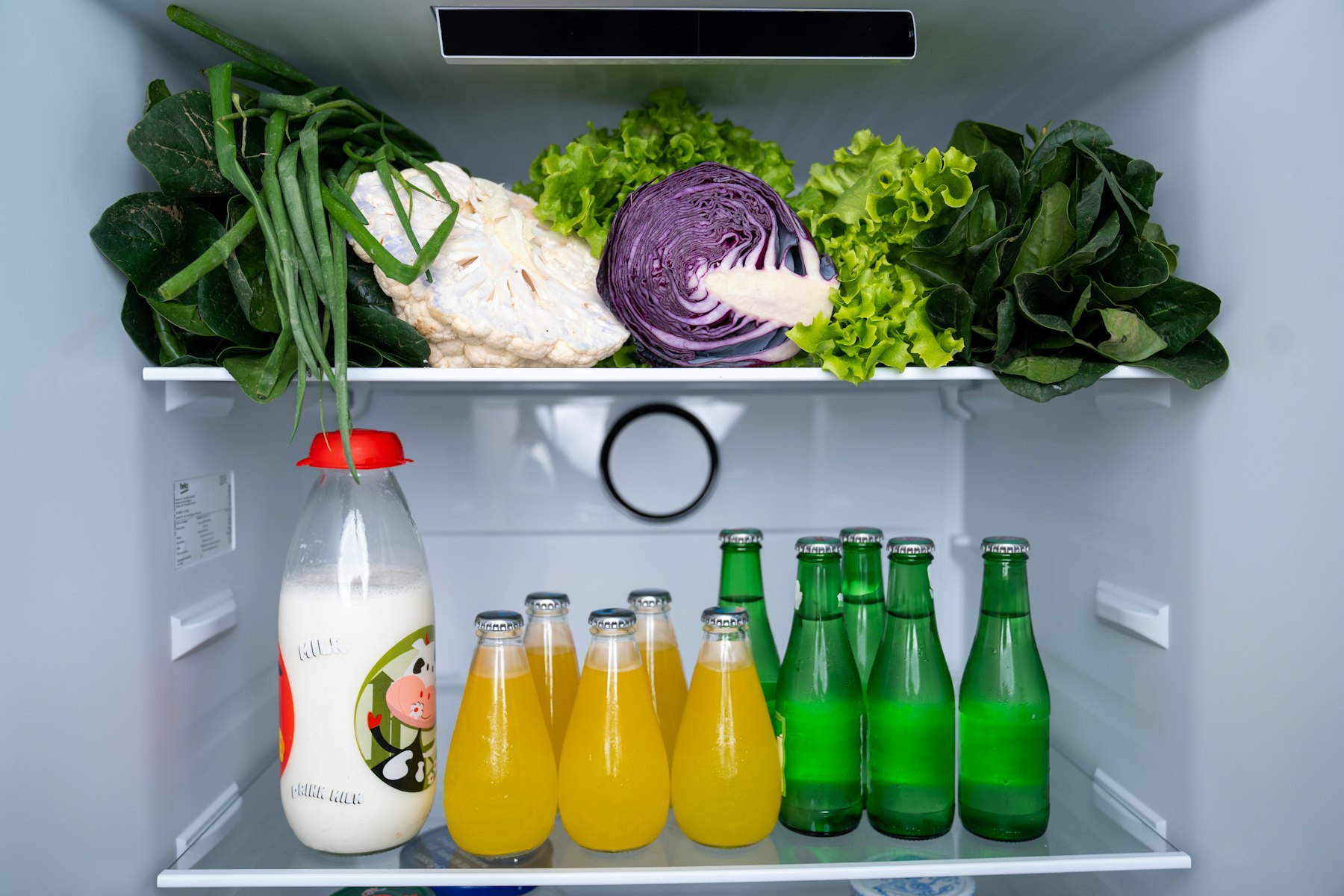
Give food safety its own place
Find the checklist for preparation and storage, or work through what a date label does—and does not—tell you.

Follow a fridge-first week.
See a complete five-day meal plan with fictional quantities, daily leftover handling and an illustrative cost comparison. Use the example to build your own plan.
Follow the example’s ingredient quantities.
See how meals and leftovers fit together.
Make clear labels with the printable tool.
Free decision-making tools
These resources provide general education, not individualized medical advice. Read our editorial policy, about page, health disclaimer and photo credits.
SHUPA DIET · LATEST PRACTICAL RESOURCES
Choose a real problem and use a clear method.
Our newly revised food guides show the math behind nutrition labels, demonstrate which variable to change during a cooking comparison, and link directly to working calculators. Worked examples are identified as hypothetical rather than personal experiments.
Know how much you eat
A 300 g package labeled per 100 g contains three times the labeled nutrient values if you eat the whole pack.
Buy the quantity you need
For 750 g needed and 500 g packs, you must buy two packs and will have 250 g extra. Compare the actual checkout cost and plan the excess.
Cook with a repeatable method
Change one factor at a time: compare oil-to-acid ratios or adjust the roasting start time for dense and watery vegetables.
These tools provide general information, not medical diagnosis. We do not present fictional examples as actual tested outcomes. Editorial policy · Health disclaimer
More practical nutrition and food-safety guides
These independent guides are grouped by the decision they help you make. They use transparent calculations and source references; hypothetical examples are labeled and are not personal clinical advice.
Meal Plan · 4
Why Sauce Slides Off Pasta: A Reserved Cooking-Water Side-by-Side Test
A practical small-batch pasta comparison to observe how rinsing, reserved cooking water and finishing in sauce affect coating and texture.
Less Salt, More Flavor? A Three-Bowl Acid, Herb and Aroma Taste Test
An original, repeatable kitchen tasting method to explore flavor from lemon, herbs and spices without treating nutrition as a strict rule.
Forgot to Thaw Chicken? A Safe Fridge, Cold-Water and Microwave Decision Guide
Choose a safe frozen-chicken thawing route using official USDA guidance, a leakproof cold-water setup, immediate-cooking rules, and a practical kitche
Dinner Fails Before the Recipe: A Three-Evening Friction Menu
A recipe can take twenty minutes and still be wrong for an evening when you have no clean pan, little attention or no desire to chop. This original pl
Tips · 12
Is Your Food Thermometer Accurate? A Practical Ice-Water Check
An original step-by-step USDA ice-point thermometer check with a sample measurement log, limitations by probe type and why accuracy matters for cooked
Why Dry Red Kidney Beans Need a Real Boil: Lectins and Slow-Cooker Safety
Health Canada-backed guide to phytohaemagglutinin in dried red kidney beans, proper soaking and vigorous boiling, and why canned beans differ.
Oat, Almond or Soy Milk? Compare Protein and Calcium Before You Switch
Use FDA Nutrition Facts guidance to compare milk and plant-based beverages by serving size, protein, calcium, vitamin D, added sugar and allergy ingre
Does Rinsing Rice Remove Arsenic? What the FDA Actually Found
Why rinsing rice has only a minimal effect on arsenic while the pasta-style excess-water method may reduce more—but also removes nutrients from enrich
‘Net Carbs’ on a Snack Bar: Why Total Carbohydrate Still Matters
An original three-label-field decoding guide for net-carb marketing claims, total carbohydrates, fiber and sugar alcohols. No personalized insulin or
Does Every Yogurt Have Probiotics? Live Cultures, Strains and Added-Sugar Labels
Distinguish live cultures from probiotics with proven benefits and added sugars on yogurt labels, using the NIH and FDA as references.
Freezer Burn or Spoiled Food? A Safety-First Frozen Food Decision Guide
Separate freezer-burn quality problems from unverified thawing and storage safety; includes USDA-backed cold-chain questions and an original food deci
Egg Carton Claims Decoded: Cage-Free, Free-Range and Grade A
Learn what U.S. egg cartons actually promise and what they do not: USDA grade shields, indoor access, outdoor access, shell color and nutrition assump
Can This Takeout Container Go in the Microwave? A Label-First Reheating Guide
A label-first decision tree for heating leftovers: how to interpret microwave-safe claims, avoid cold-storage tubs and foam trays, and check reheating
Extra Virgin, Light or Refined Olive Oil? Read the Bottle Before You Buy
An evidence-based olive-oil label decoder explaining extra virgin, refined blends and ‘light’ flavor claims, with storage guidance and a 5
A Recipe Swap Isn’t Automatically Allergy-Safe: Trace the Ingredient, Label and Utensil
An original allergy-aware ingredient substitution trace sheet that separates label evidence, product changes and shared-equipment uncertainty without
Compare Sodium Fairly: A Per-100g Food Label Calculator
A food with 220 mg sodium in a 40 g serving can contain more sodium per 100 g than one with 300 mg in a 100 g serving. Compare labels on the same weig
Pages are grouped for convenient reading. Refer to the original source links and safety warnings within each guide. A sitemap is also available to search engines.